




Care at Matthew Stephens
The Complete Guide to Caring for Your Jewellery
Beautiful jewellery rewards a little attention. Follow these principles and your pieces will hold their brilliance for a lifetime — and beyond.

Every day
DailyWearHabits

- Last On, First Off: Always put jewellery on after applying perfume, moisturiser, and hairspray. Remove it before washing your hands, showering, or swimming. Fragrance and skincare chemicals are among the biggest culprits for dulling metals.
- Remove During Activity: Take pieces off before exercise, housework, gardening, or sport. Sweat, impact, and friction all accelerate wear — and a knocked stone or bent prong is far harder to fix than a little surface tarnish.
- Wipe After Each Wear: A gentle wipe with a soft, lint-free cloth after wearing removes skin oils and residue before they have a chance to build up. This single habit makes a remarkable difference to long-term shine.
- Don't Sleep in Jewellery: Sleeping in fine jewellery puts unnecessary stress on clasps, chains, and settings. Delicate chains can knot or stretch overnight. A simple habit of removing pieces at night dramatically extends their life.
- Be Careful with Chemicals: Remove jewellery before cooking, using cleaning products, or handling bleach. Even diluted household cleaners can strip rhodium plating on white gold, dull gemstones, or corrode softer metals like silver and copper alloys.
- Protect from Prolonged Sun: Extended UV exposure can fade certain gemstones — especially amethyst, citrine, kunzite, and rose quartz. Don't leave jewellery sitting on a sunny windowsill or in a hot car for long periods.
By material
CleaningbyMaterial
Yellow, White & Rose Gold
- Add a few drops of mild washing-up liquid to a small bowl of warm (not hot) water.
- Place your gold piece in the solution and allow to soak for 10–15 minutes to loosen oils and dirt.
- Using a very soft toothbrush, gently scrub — paying particular attention to the reverse side of settings, where grease and soap residue accumulate.
- Rinse thoroughly under warm running water. Block the plughole or use a sieve to avoid losing small pieces.
- Pat dry with a soft lint-free cloth. Allow to air dry fully before storing in a closed box.
White gold tip: White gold is rhodium-plated to achieve its brilliant white finish. This plating naturally wears over time — replating every 1–2 years is perfectly normal and something we can arrange at Matthew Stephens.
Sterling Silver
- For light tarnish, buff with a dedicated silver polishing cloth using gentle circular movements. Don't use tissue or paper towels — they can scratch.
- For heavier tarnish, make a paste of bicarbonate of soda and a little water. Apply gently with a soft cloth, rinse well, and dry immediately.
- Alternatively, line a bowl with aluminium foil, fill with hot water and a tablespoon of bicarbonate of soda. Submerge the silver for 2–3 minutes — the tarnish transfers to the foil.
- Rinse thoroughly and dry right away — silver left damp will re-tarnish very quickly.
Prevention: Store silver in anti-tarnish pouches or sealed zip-lock bags with the air squeezed out. A small piece of chalk or a silica gel sachet in your jewellery box also helps by absorbing excess moisture.
Diamond Jewellery
- Soak in a bowl of warm water with a few drops of mild dish soap for 10–20 minutes.
- Gently scrub with a very soft toothbrush, focusing especially on the pavilion (underside) of the stone and around the setting — this is where grease and lotion collect.
- Rinse under warm running water, ensuring all soap is removed.
- Pat dry with a lint-free cloth and allow to fully air dry before storing.
Did you know? Diamonds are naturally oleophilic — they attract grease from skin, hand cream, and fingerprints. Cleaning a frequently-worn diamond ring once a month makes a dramatic visible difference to its sparkle and brilliance.
Coloured Gemstones
- Most gemstones clean well with warm water, mild soap, and a soft brush. Rinse and dry promptly.
- Clean gently around settings — dirt accumulates behind stones and dullness is often just a build-up of residue, not a fault in the stone itself.
- Avoid soaking porous stones: opals, turquoise, coral, malachite, and many organic gems can absorb water, which may cause cracking or colour change.
- Avoid ultrasonic cleaners for emeralds, opals, pearls, and any treated or filled stones — the vibrations can cause fractures or loosen fillers.
Softer stones need extra care: Stones like pearls (2.5 on Mohs scale), opals (5.5–6.5), and turquoise scratch easily. Always store them separately from harder stones like sapphires and diamonds.
Pearls
- Wipe pearls with a soft damp cloth after each wear to remove sweat, perfume, and oils — these are the main cause of pearl deterioration.
- Never submerge a pearl necklace or bracelet in water. The silk thread will weaken and stretch.
- If a deeper clean is needed, use a barely damp cloth with a tiny amount of mild soap. Wipe each pearl individually, rinse the cloth and wipe again to remove soap, then dry flat on a towel.
- Allow to dry completely before wearing or storing. Damp silk will shrink and weaken.
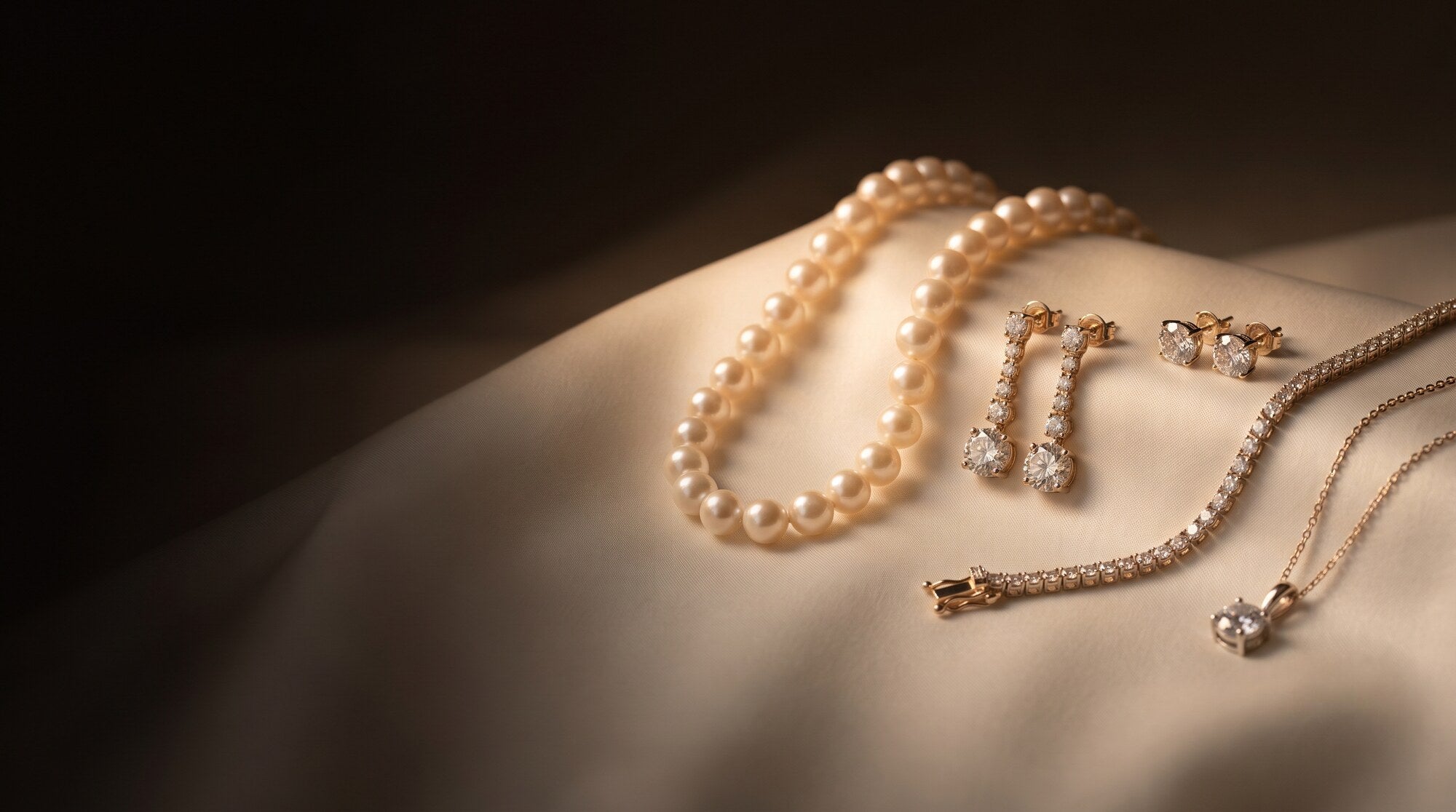
Pearls are living gems: They need a little humidity to prevent drying out and cracking. Don't store them in an airtight container or beside a heat source. Wear them — skin contact actually helps maintain their lustre. Have pearl necklaces re-strung every few years.
Gold-Plated & Fashion Jewellery
- Clean only with a damp soft cloth — no soaking, no brushing, no abrasives. The plating layer is thin and will wear if scrubbed.
- Dry immediately and thoroughly after any contact with moisture.
- Apply perfume and skincare before putting on plated pieces. Chemicals and acids are the fastest way to strip plating.
- Remove before swimming, showering, exercise, or washing up — chlorine and salt water strip plating very quickly.
Managing expectations: Gold plating is a surface finish, not solid gold. All plated pieces will show wear over time, especially on rings and bracelets. How quickly depends on plating thickness and how carefully it's treated.
Between wears
StoringYourJewellery
- Separate Compartments: Store pieces individually or in separate compartments. Harder stones like diamonds will scratch softer metals and gems if jumbled together.
- Cool, Dry & Dark: Heat, moisture, and direct sunlight all accelerate tarnish and can damage certain gemstones. A closed jewellery box away from windows is ideal.
- Hang Chains: Necklaces and fine chains tangle easily. Hanging them on a small peg or keeping each one in its own pouch prevents knots and stress on the links.
- Anti-Tarnish Pouches: Store silver in anti-tarnish cloth bags or zip-lock pouches with the air pressed out. The treated fabric absorbs sulphur from the air — the main cause of silver blackening.
- Original Boxes: Keep fine jewellery in its original box when not worn for extended periods. Boxes are designed to cushion and protect the specific piece.
- Away from Bathrooms: Bathroom environments — steam, moisture, hairspray, cleaning products — are hard on jewellery. Keep your pieces in a bedroom or dressing room instead.
Do
- Wipe pieces with a soft cloth after every wear
- Store each piece separately to prevent scratching
- Put jewellery on last when getting ready
- Take pieces off before swimming or bathing
- Have jewellery professionally checked once a year
- Use a dedicated silver polishing cloth for silver
- Store silver in anti-tarnish pouches
- Remove rings before kneading dough or heavy handwork
- Re-string pearls every 2–3 years if worn regularly
- Tell us immediately if a stone looks loose or a clasp feels weak
Don't
- Spray perfume directly onto jewellery
- Use bleach, acetone, or household cleaners near pieces
- Wear jewellery in a hot tub, sauna, or chlorinated pool
- Sleep in rings, necklaces, or earrings regularly
- Use toothpaste to clean jewellery — it's abrasive
- Use paper towels or rough cloths to polish
- Leave jewellery in direct sunlight for extended periods
- Put jewellery in a bag loose alongside keys or coins
- Use ultrasonic cleaners on opals, pearls, or emeralds
- Try to bend or repair settings at home — always come to us
Good to know
WhyJewelleryTarnishes
Tarnishing is a natural, chemical process — not a sign of poor quality. Understanding the causes helps you slow it down significantly.
- Air & Moisture: Oxygen and sulphur compounds in the air react with silver and copper alloys, forming a thin dark oxide layer on the surface. Humidity greatly accelerates this reaction.
- Skin Chemistry: Everyone's skin has a different pH and chemical composition. Some people tarnish silver or oxidise metals more quickly than others — it's entirely normal and not a fault in the metal.
- Cosmetics & Perfume: The alcohols, acids, and sulphur compounds in fragrances, lotions, and hairspray react directly with metal surfaces. Always apply these before putting on jewellery.
- Chlorine & Salt Water: Swimming pool chlorine and sea salt are particularly aggressive. Chlorine can cause structural damage to gold alloys over time — not just surface tarnish. Always remove jewellery before swimming.
- Rubber & Certain Fabrics: Rubber (watch straps, elastic) contains sulphur which accelerates silver tarnishing on contact. Some synthetic fabrics can have a similar effect when jewellery rubs against them repeatedly.
- Not Wearing It: Counterintuitively, jewellery left unworn in a drawer can tarnish faster than pieces worn regularly. Handling and wearing creates gentle friction that keeps surfaces bright, and skin oils provide a slight protective barrier.
We're here to help
ProfessionalCare
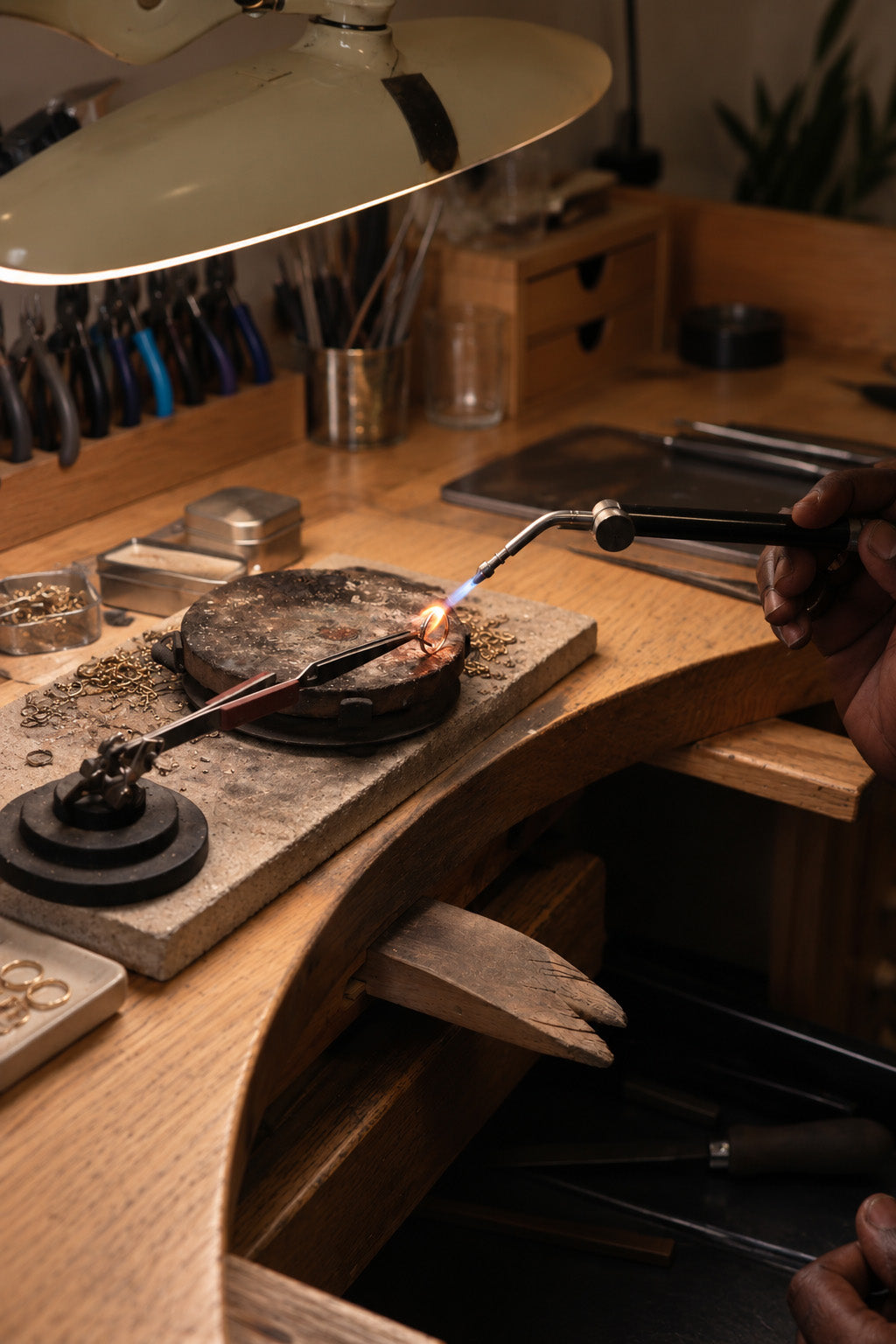
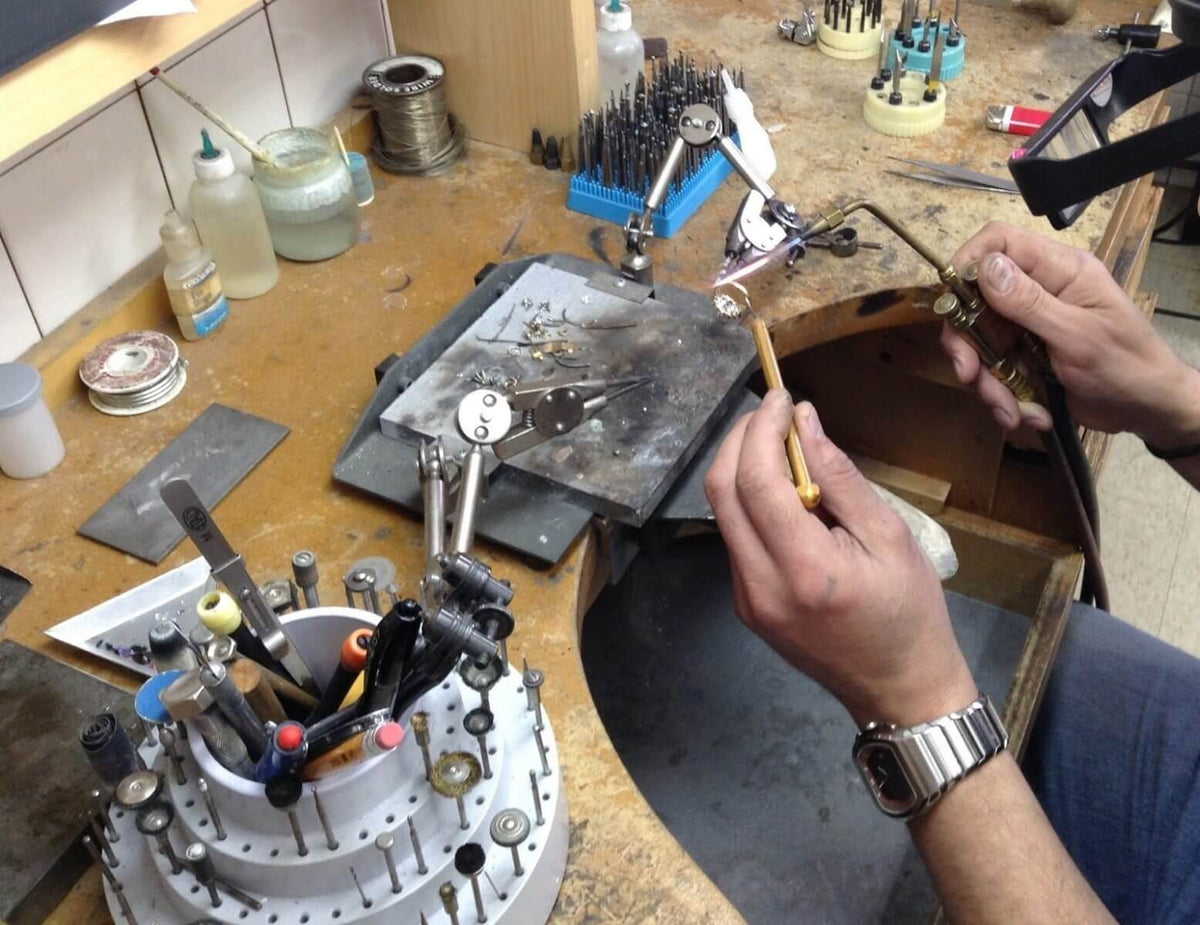
Some care belongs with us. Bring your pieces into the Limerick showroom and the workshop takes it from there.
- Annual Inspection: We recommend bringing fine jewellery to us once a year for a check-up. We inspect settings for looseness, examine clasps and catches, and assess overall condition — catching minor issues before they become costly ones.
- Professional Cleaning: Our ultrasonic and steam cleaning reaches places a home toothbrush can't. A professional clean restores brilliance that years of careful home maintenance alone cannot fully achieve.
- Rhodium Replating: White gold pieces benefit from rhodium replating when the finish starts to show warmth or uneven colour. This is a routine service that takes your ring from tired to brilliant in a single visit.
- Pearl Re-stringing: Pearl necklaces and bracelets should be re-strung every two to three years if worn regularly. Worn silk thread can break without warning — and a pearl necklace on the floor is not an easy repair.
- Setting Repairs: If a stone feels loose, bring it to us promptly. A re-tipped prong is a small job. Recovering a lost stone is an entirely different conversation. Don't put off a repair you can feel.
- Insurance Valuation: For significant pieces, we recommend an up-to-date insurance valuation every five years. Metal and diamond values change — make sure your cover reflects what replacement would actually cost today.
Pearl re-stringing and our on-site workshop have their own pages — or just get in touch.